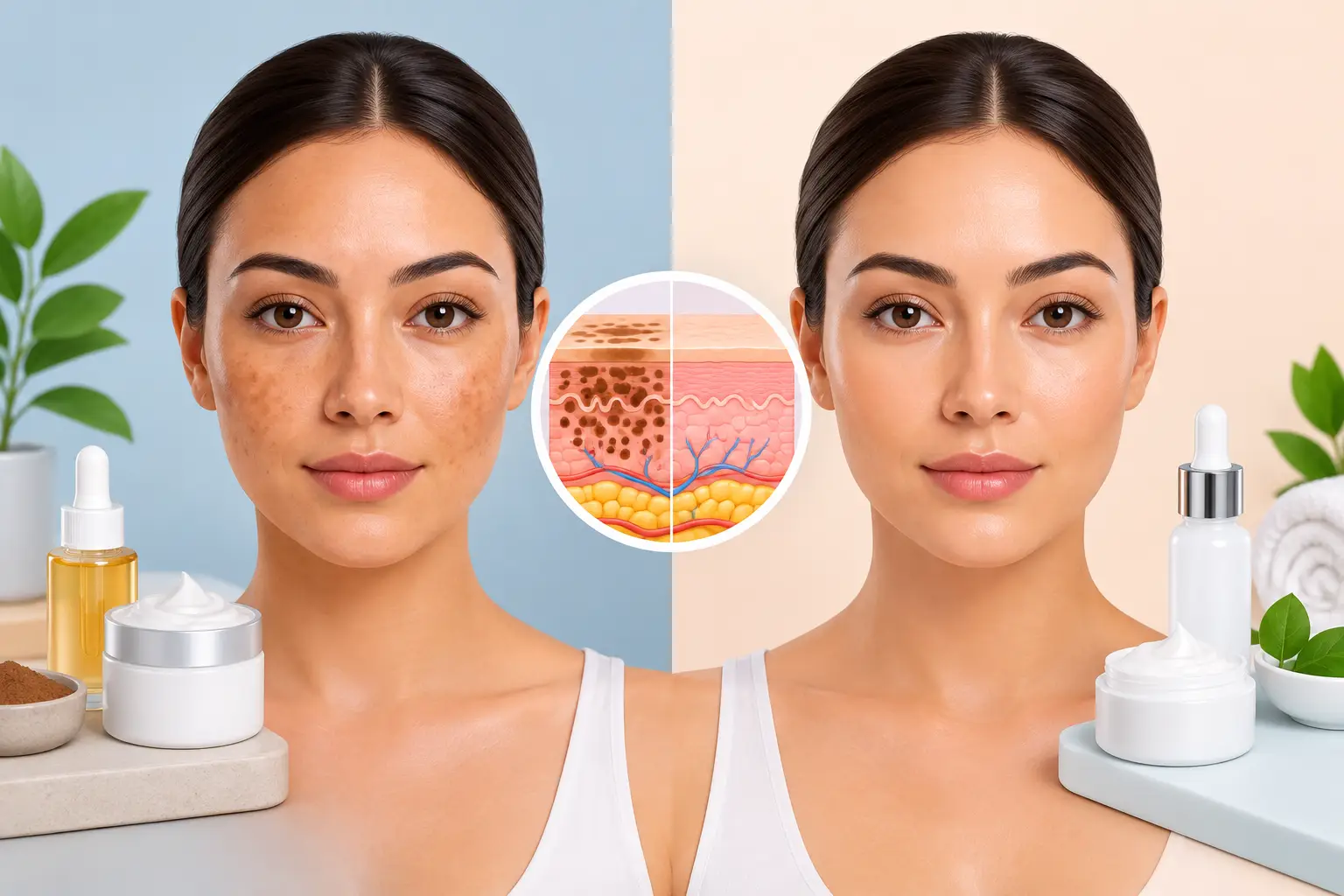
A hyperpigmentation treatment before after photograph can be reassuring, especially when uneven tone has started to affect how you feel without make-up. But the most useful results are not simply about a lighter-looking mark. They show calmer, more even skin, with the treatment matched carefully to the cause of the pigmentation and your individual skin.
Pigmentation can be stubborn, and it rarely responds well to a one-size-fits-all approach. Sun spots, post-acne marks, freckles and melasma may all look like brown patches, yet they behave very differently. The safest route to meaningful improvement begins with understanding which type you have, how deep it sits and what may be keeping it active.
What hyperpigmentation treatment before and after results can show
Good before and after images are taken in comparable lighting, from similar angles and without filters. They should show gradual change rather than a dramatic overnight transformation. Depending on the concern, this may mean sun spots becoming less defined, post-inflammatory marks fading, or a patchy complexion looking more balanced overall.
What they cannot show is the full plan behind the result. A clear outcome may involve professional treatment, daily pigment-control skincare, strict sun protection and review appointments to adjust the approach. For melasma in particular, maintenance is often part of the commitment. It can be managed beautifully, but it has a tendency to return when triggers are not controlled.
Your starting point matters, too. Pigmentation that has been present for years, sits deeply in the skin or is linked to hormonal changes can take longer to improve than recent post-acne marks. The aim is healthy, resilient skin as well as visible brightening – not an unrealistic promise that every trace will disappear.
Why pigmentation needs an individual plan
Hyperpigmentation happens when the skin produces extra melanin, its natural pigment. This response can be triggered by ultraviolet exposure, inflammation, acne, heat, hormones, skin injury or certain medications. Sometimes more than one factor is involved.
That distinction guides treatment. A concentrated sun spot may respond well to carefully selected laser pigmentation removal. Widespread dullness and superficial discolouration may benefit from a medical-grade peel and active homecare. Melasma usually calls for a more cautious programme, often including a professional depigmentation system such as Cosmelan or Dermamelan alongside disciplined aftercare.
Treating the wrong way can make pigmentation more noticeable, particularly in deeper skin tones or skin that is already irritated. Excessive heat, aggressive exfoliation and poorly timed laser settings can trigger post-inflammatory hyperpigmentation. This is why a consultation should include your skin type, history of sensitivity, current products, past treatments, lifestyle and whether you are pregnant, breastfeeding or using medication that affects the skin.
The difference between marks, sun damage and melasma
Post-inflammatory hyperpigmentation often appears after acne, eczema, shaving bumps or an injury. The original inflammation may be gone, yet brown, grey-brown or reddish marks can remain. Addressing ongoing acne or irritation is as important as treating the marks themselves.
Sun damage tends to present as freckles, age spots or larger areas of uneven tone on the face, chest, shoulders and hands. These can respond very well to professionally chosen treatments, but new sun exposure may create fresh spots even after a successful course.
Melasma is commonly symmetrical, appearing across the cheeks, forehead, upper lip or jawline. It is often influenced by hormones, sunlight and heat. It may deepen in summer or during periods of hormonal change. Because it is reactive, treatment needs to be measured rather than forceful.
Treatments that may be part of your programme
There is no single best treatment for every form of hyperpigmentation. During a professional assessment, the priority is to choose the option that gives your skin the best chance of improvement with an acceptable level of downtime and risk.
Laser pigmentation removal can be effective for selected sun spots, freckles and defined areas of unwanted pigment. The treated pigment may initially look darker before it flakes away or fades over the following days and weeks. This temporary darkening is often expected, but it should be explained in advance so it does not come as a surprise.
Medical-grade peels can help refine the skin’s surface, support cell turnover and improve the appearance of superficial uneven tone. A peel is not necessarily meant to produce dramatic visible peeling. The right strength depends on your skin condition, pigment type and tolerance, and a gentle series may be more appropriate than one intensive treatment.
Cosmelan and Dermamelan are professional depigmentation programmes often considered for melasma and more widespread pigmentation. They combine in-clinic application with structured homecare. The home phase matters greatly: temporary dryness, flaking or sensitivity can occur, and following the recommended schedule helps protect both comfort and results.
Skincare is not an optional extra. Ingredients selected for pigment control and barrier support can help maintain clinic results, while daily broad-spectrum SPF is essential. For some clients, simplifying an overcomplicated routine is the first positive step. Strong acids, scrubs and multiple active products can leave the skin inflamed, which is precisely what pigmentation-prone skin does not need.
The timeline behind real results
Many people want to know how quickly their skin will change. The honest answer is that it depends on the diagnosis, the treatment selected and how consistently you can follow aftercare. Surface brightness may improve within several weeks, while deeper or hormonally driven pigmentation usually requires a longer course.
It is also normal for progress not to be perfectly linear. A mark may look darker at the start of a laser programme. Skin can look temporarily dry or flushed during a peel or depigmentation programme. With melasma, a warm holiday, outdoor sport or inconsistent SPF use can cause a setback. These are not necessarily signs that treatment has failed; they are reasons to review and adapt the plan.
The most credible hyperpigmentation treatment before after results are usually photographed after enough time has passed for healing and skin renewal. Progress photos can be genuinely helpful because we often judge our faces harshly day to day and miss gradual improvements. Consistent clinical photography gives a clearer, fairer record than bathroom lighting or a phone filter.
How to protect your result at home
Aftercare is where the work done in clinic is protected. Wear broad-spectrum sunscreen every morning, and reapply when you are outdoors, near windows for long periods, driving or exercising. A wide-brimmed hat and shade are sensible additions, especially through warmer months.
Use the skincare prescribed or recommended for your skin, rather than adding new active products because they are trending online. Avoid picking spots, scrubbing flakes or using harsh hair-removal methods on treated areas while the skin is recovering. If you experience unusual blistering, escalating pain, marked swelling or a reaction that concerns you, contact your practitioner promptly.
Pigmentation plans also benefit from looking beyond the bathroom cabinet. Heat exposure, sun habits, acne management and hormonal influences can all matter. For persistent melasma or sudden unexplained pigmentation changes, medical assessment may be appropriate alongside aesthetic care.
Choosing care you can trust
A reputable provider will be candid about what treatment can achieve, as well as the possibility of recurrence and the role you play in maintaining results. They should assess rather than guess, explain the expected healing process and avoid pushing a standard package before looking closely at your skin.
At Beautilase, pigmentation treatment is planned around your skin, your schedule and your goals. Whether your concern is lingering acne marks, sun damage, freckles or melasma, a consultation creates space to discuss it without judgement and decide on a sensible next step.
Clearer-looking skin is rarely the result of one dramatic moment. It is the result of careful choices, steady aftercare and a plan that respects how your skin responds. If you are considering treatment, bring your questions, your current products and your real goal to your consultation – that is where an outcome worth photographing begins.