A few coarse hairs on the chin can take more emotional energy than most people expect. So can regular shaving, painful plucking, ingrown hairs, or the worry that unwanted facial hair is becoming more noticeable. This electrolysis treatment review explains what treatment is really like, where it can be worth the commitment, and what honest results planning should look like.
What electrolysis actually treats
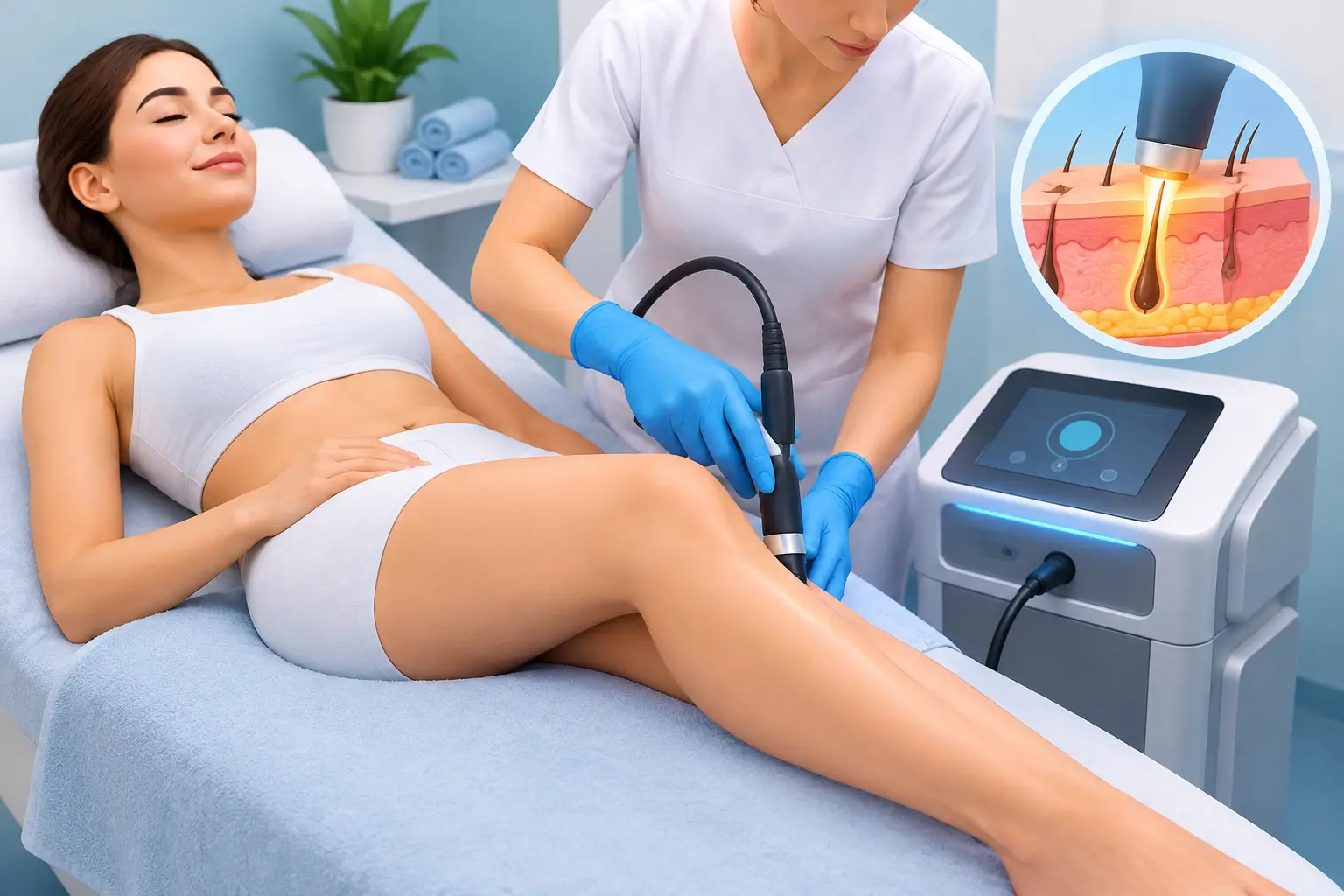
Electrolysis is a professional method of permanent hair removal. A very fine sterile probe is placed into the natural opening of an individual hair follicle, then a small electrical current is applied to disable the follicle’s ability to produce a new hair.
Unlike laser hair removal, electrolysis does not depend on pigment in the hair. It can therefore treat blonde, grey, white and red hairs, as well as darker hairs. It is also suitable for small, precise areas where a few persistent hairs are the main concern, including the upper lip, chin, jawline, eyebrows, nipples, abdomen, fingers and toes.
That precision is one of electrolysis’ greatest strengths. It is not a quick way to clear a large area of dense hair, but it can be an excellent solution when laser has reduced darker hair and left behind finer or lighter hairs.
Electrolysis treatment review: the honest verdict
For the right person, electrolysis is worth it because it addresses follicles one by one and works on every hair colour. The trade-off is time. Each hair must be treated individually, and hairs only respond effectively when they are in the correct stage of their growth cycle.
This means permanent clearance is a process rather than a one-off appointment. A small cluster of hairs may be managed in short appointments, while hormonal facial hair or a larger area can require regular sessions over many months. A practitioner who promises immediate, complete clearance without discussing hair growth cycles should be approached with caution.
Most clients value electrolysis most when they want a long-term answer to an area they are tired of managing. The treatment can be particularly meaningful for people with PCOS-related hirsutism, menopausal facial hair, or isolated coarse hairs that return despite waxing and tweezing. It can also be a practical finishing treatment after laser hair removal.
Results are personal. Hormonal changes, genetics, medication and new hair follicles becoming active can all influence the longer-term picture. Successfully treated follicles should not regrow, but treatment cannot prevent the body from activating previously dormant follicles later on.
What does electrolysis feel like?
People often expect electrolysis to be unbearable because a probe is used, but the sensation is usually more manageable than the idea of it. The probe itself follows the follicle opening and should not feel like an injection. The electrical current can feel like a brief heat, sting or tiny pinch.
Sensitivity varies by area and by person. The upper lip and jawline are often more sensitive than the chin or body, and many people notice greater sensitivity around their period, when tired, or after a lot of caffeine. The good news is that treatment is delivered in very short bursts, and settings should be adjusted to your skin, hair type and comfort level.
A caring practitioner will check in with you, work at a sensible pace and explain what they are doing. Electrolysis should never feel like something you have to endure in silence. If the sensation is too sharp, say so. Comfort and effective treatment settings need to be balanced carefully.
What happens during an appointment?
A proper consultation comes first. Your practitioner should ask about your hair-removal history, skin sensitivity, medication, medical conditions and any hormonal factors that may be contributing to hair growth. This is especially relevant when facial hair has changed suddenly or is accompanied by concerns such as acne, irregular periods or hair thinning.
At the appointment, the skin is cleansed and the hairs are treated individually. The treated hair should slide out easily with gentle forceps. It should not need to be pulled out. Depending on the area and density, appointments may range from a short 15-minute session to an hour or more.
Immediately afterwards, you may see mild redness and tiny raised bumps around the follicles. This is a normal short-term skin response and often settles within hours, although sensitive skin may take longer. In some cases, very small crusts can form as the skin heals. Picking or scratching them increases the risk of irritation and pigmentation changes.
For the first day or two, keep the area clean, avoid touching it unnecessarily and follow your practitioner’s specific aftercare advice. It is usually sensible to avoid heat, heavy exercise, swimming pools, saunas, exfoliating acids and fragranced products on the treated area until the skin has settled. Daily SPF is particularly important for exposed areas, especially for skin prone to post-inflammatory pigmentation.
Electrolysis versus laser hair removal
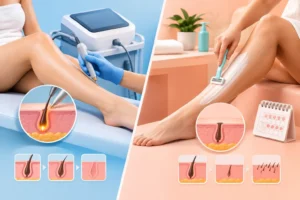
Electrolysis and laser are often presented as competing treatments, but the best choice depends on the hair and the area being treated.
Laser hair removal is generally faster for larger areas with dark, coarse hair, such as the legs, underarms, bikini line, chest or back. It works by targeting pigment in the hair, so it tends to be less effective on pale, grey, red or very fine hairs. It is commonly used for long-term hair reduction rather than claiming removal of every individual follicle.
Electrolysis is slower but more versatile. It is often the better option for light hairs, small areas, and the final hairs that remain after a course of laser. For someone with dense dark hair over a broad area, a laser-first approach followed by electrolysis for stubborn lighter hairs can be more time-efficient than electrolysis alone.
There is no prize for choosing one method over the other. A personalised plan should be based on your hair colour, hair density, skin type, budget, timeline and tolerance for maintenance. At Beautilase, that conversation is part of planning treatment honestly rather than placing everyone on the same package.
How many sessions will you need?
No responsible electrolysis treatment review can give one number that applies to everyone. A few isolated chin hairs may require relatively short, occasional sessions. More widespread facial hair, particularly where hormones are a factor, is likely to need a more consistent programme.
Hair grows in cycles, and only hairs present in an active, treatable phase can be treated at each visit. Early sessions may focus on clearing what is visible. Later on, appointments often become shorter or less frequent as fewer hairs return. Regularity matters because it allows new growth to be treated before an area becomes overwhelming again.
Avoid plucking, threading or waxing between appointments if possible, as these methods remove the hair from the follicle and make it unavailable for treatment. Shaving or carefully trimming is usually the better option, provided enough hair is visible for the practitioner to grasp at your next session.
Who should take extra care?
Electrolysis can suit many skin types, but safety begins with a full consultation. Tell your practitioner about prescription skincare, oral acne medication, recent peels, active infections, cold sores in the treatment area, a history of keloid scarring, diabetes, pregnancy, pacemakers or any medical condition that could affect healing.
Do not try to treat an area with broken, inflamed or sunburnt skin. If you are prone to pigmentation, scarring or sensitivity, this does not automatically rule electrolysis out, but it makes treatment technique and aftercare even more important. A patch test or cautious first session may be appropriate.
Choosing an electrolysis practitioner
The quality of the practitioner matters as much as the device. Look for someone who takes time to assess your skin and hair, uses sterile single-use probes, discusses realistic treatment frequency, and gives clear aftercare. You should feel able to ask about their training, treatment method and experience with your skin tone and concern.
Be wary of pressure to book a large package before you understand the plan. A good consultation should leave you clearer about the likely commitment, not anxious that you have been sold a promise. Your unwanted hair may be a sensitive subject, but it deserves straightforward care and a treatment plan that respects your time and budget.
If you are exhausted by the cycle of checking, plucking and covering an area every day, electrolysis can offer something more valuable than a short-term fix: the chance to make unwanted hair a smaller part of your life, one carefully treated follicle at a time.