Stretch marks can feel surprisingly personal. They may appear during pregnancy, puberty, weight changes or periods of muscle growth, often in places that are difficult to ignore: the stomach, thighs, breasts, hips, buttocks or upper arms. A good stretch mark treatment guide begins with an honest point: stretch marks are extremely common, and treatment can soften their appearance significantly, but no responsible practitioner should promise to erase them completely.
The most effective plan depends on the age, colour, depth and location of your marks, as well as your skin tone and how your skin heals. That is why a one-size-fits-all cream or treatment package rarely delivers the result people hope for.
What stretch marks are – and why they form
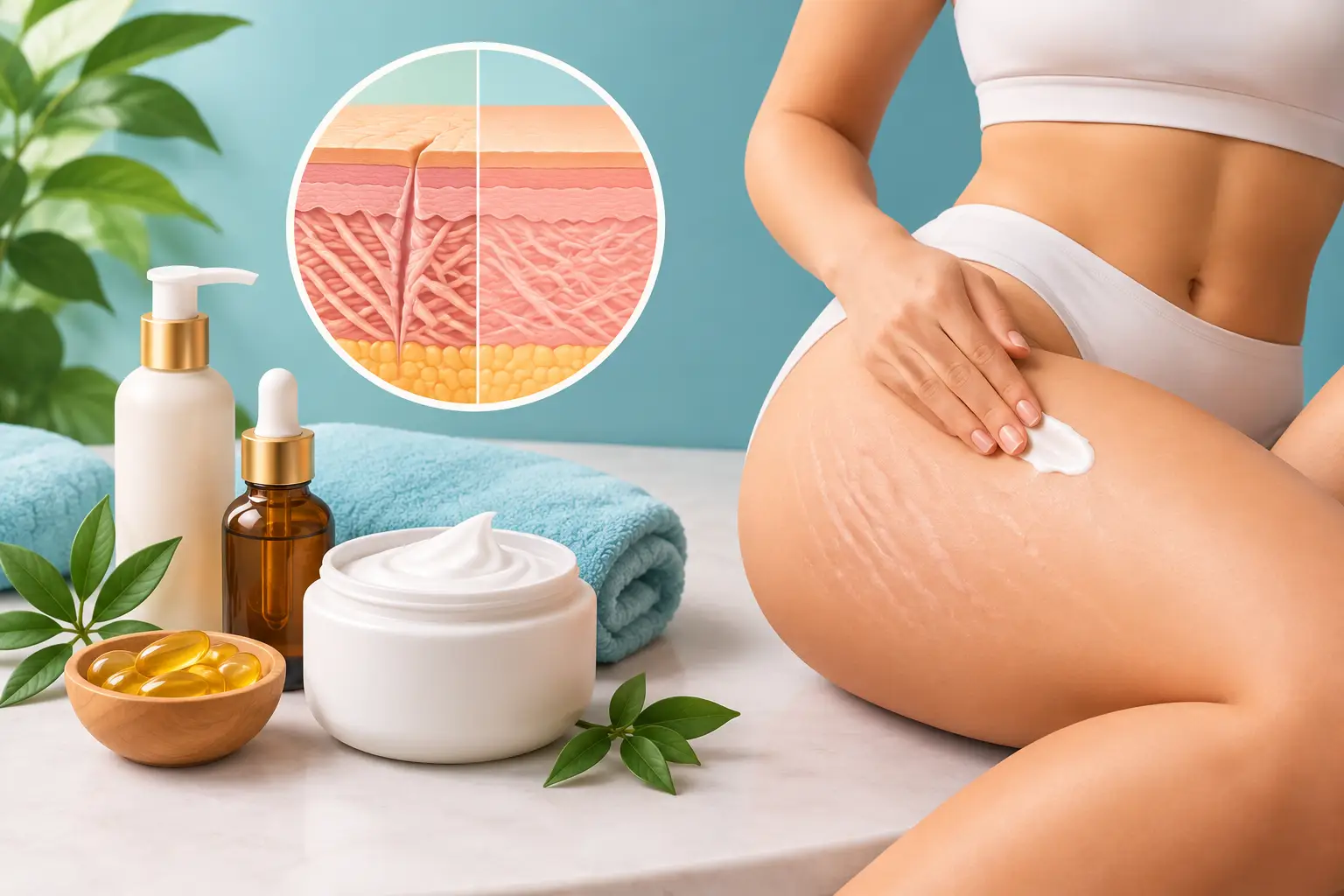
Stretch marks, medically known as striae, develop when skin stretches or changes faster than its collagen and elastin structure can adapt. The deeper layer of the skin develops tiny tears, which become visible at the surface as linear marks.
Fresh stretch marks are usually red, pink, purple or dark brown depending on your skin tone. These are often called striae rubrae. Over time, they tend to fade to pale, silvery or white lines, known as striae albae. Older marks are not harmful, but they can be more challenging to treat because the active inflammation and redness have settled.
Genetics, hormonal changes and certain medicines can also influence whether stretch marks develop. This is not a sign that you have done anything wrong with your skin, your diet or your body. It is a biological response, not a personal failing.
Stretch mark treatment guide: choosing the right approach
Treatment works by encouraging new collagen production, improving skin texture and, where appropriate, addressing residual redness or uneven pigmentation. The best option is not always the most intensive one. Your practitioner should consider your skin’s sensitivity, Fitzpatrick skin type, medical history, lifestyle and tolerance for downtime before recommending a plan.
Early red or purple stretch marks
Newer stretch marks often respond more readily because the skin is still changing. Treatments may focus on supporting collagen remodelling while reducing visible redness. Starting early does not mean rushing into a procedure, especially during pregnancy or breastfeeding, but it can be useful to arrange a professional assessment once it is appropriate to do so.
Home care can support the skin barrier during this stage. A well-formulated moisturiser will not remove stretch marks, but it can relieve dryness and itchiness, and regular massage may make the skin feel more comfortable. Products containing hyaluronic acid may improve hydration and the look of early marks for some people. Results vary, and consistency matters more than a high price tag.
Prescription-strength retinoids can improve collagen production in selected cases, but they are not suitable during pregnancy or breastfeeding. They should only be used with advice from a qualified prescriber, as irritation can make already-sensitive skin feel worse.
White or established stretch marks
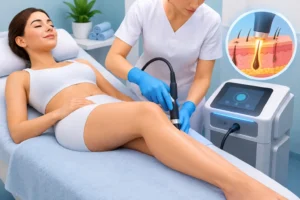
Older, pale stretch marks typically need in-clinic collagen-stimulating treatment for a meaningful change in texture. RF microneedling is a popular option because it creates controlled microchannels while delivering radiofrequency energy deeper into the skin. This combination encourages the repair process that supports firmer, smoother-looking skin over a series of sessions.
The goal is gradual improvement, not an overnight transformation. Many clients notice that the marks become less indented, less reflective and less obvious against surrounding skin as collagen remodelling progresses. The process continues for weeks after each session, which is why spacing appointments correctly is part of the treatment, not a delay.
Traditional microneedling may also be suitable in some circumstances. It can improve texture and collagen production, although RF microneedling offers an additional level of energy delivery that may be beneficial for deeper or more established marks. Which approach is right for you depends on the area being treated and your individual skin assessment.
Why skin tone and safety matter
Stretch mark treatment is never only about the marks themselves. It is about treating the surrounding skin safely. Skin that tans easily or is prone to post-inflammatory hyperpigmentation needs a carefully selected approach and considered settings. Overly aggressive treatment can trigger darkening or uneven pigmentation, particularly on areas exposed to friction or sun.
A thorough consultation should cover previous scarring, keloid tendency, active skin conditions, recent tanning, medication and whether you are pregnant or breastfeeding. It should also include realistic photography and a clear discussion of what improvement means for you. For one person, it may be smoother skin texture; for another, it may be reduced contrast so they feel more comfortable in swimwear or fitted clothing.
At Beautilase, personalised planning is central to this process. There is no benefit in treating a sensitive concern with a standard package that overlooks your skin, schedule or comfort level.
What creams, oils and home devices can realistically do
The stretch mark market makes big promises, particularly around oils, body butters and devices designed for use at home. Moisturisers can make the skin feel softer and may temporarily improve its appearance by reducing dryness. They are worthwhile as part of general body care, but they cannot rebuild the deeper collagen changes that create established stretch marks.
Cocoa butter, bio-oil style blends and vitamin E are often recommended anecdotally. Some people enjoy using them, especially during periods of skin stretching, but they do not reliably prevent stretch marks or remove existing ones. If a product causes stinging, rash or itching, stop using it. More irritation does not mean it is working.
Home microneedling devices require particular caution. Needles that are too short are unlikely to make a meaningful difference to stretch marks, while longer needles used without proper hygiene or technique can cause infection, scarring and pigmentation problems. Professional treatment is designed around sterile practice, controlled depth and skin-specific aftercare.
How many sessions will you need?
Most collagen-induction treatments require a course rather than a single appointment. The exact number varies, but three to six sessions, spaced several weeks apart, is common for established stretch marks. More extensive areas, deeper marks or older marks may need further treatment.
It is sensible to assess progress after a planned course rather than judging the outcome after one session. Collagen renewal takes time. Your body also continues to change, and future pregnancy, weight fluctuation or muscle gain can lead to new stretch marks even after successful treatment of existing ones.
Maintenance is not always necessary, but good skincare, sun protection on exposed areas and stable general health habits can help preserve the improvement you achieve. Sun protection is particularly useful because tanning can increase the contrast between pale stretch marks and surrounding skin.
Preparing for treatment and looking after your skin afterwards
Your practitioner will give advice tailored to the treatment chosen, but preparation usually involves avoiding sun exposure and self-tanning products beforehand. Let them know about active rashes, infections, cold sores in the treatment area, new medications or any recent cosmetic procedure.
After RF microneedling or microneedling, temporary warmth, redness, sensitivity and mild swelling are expected. Treat the area gently, avoid heat, intense exercise and friction for the recommended period, and use only the aftercare products advised. Picking at dry or flaky skin can increase the chance of pigmentation changes.
Results tend to reward patience. The most valuable treatment plan is one that is safe for your skin, realistic for your budget and easy enough to complete consistently. Stretch marks do not need to be hidden before they deserve attention. If they bother you, a thoughtful consultation can give you clear options and a realistic route towards skin that feels more comfortable in its own texture.