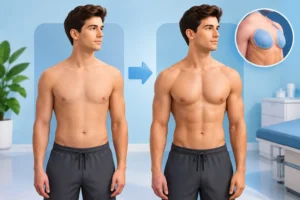
A waistband that feels tighter than it used to, a lower stomach area that remains despite exercise, or a small bulge that shows under fitted clothes can be frustrating. For many people, truSculpt iD stomach fat treatment is worth considering when the concern is localised, pinchable fat rather than overall weight. It is a non-surgical body-contouring treatment designed to reduce fat cells in selected areas, without needles, surgery or recovery time.
That distinction matters. truSculpt iD is not a replacement for weight management, and it will not create a dramatically different body overnight. It is a targeted option for people who are generally close to their preferred weight but would like help with a stubborn area that does not respond as they would like to food choices and movement.
What is truSculpt iD for stomach fat?
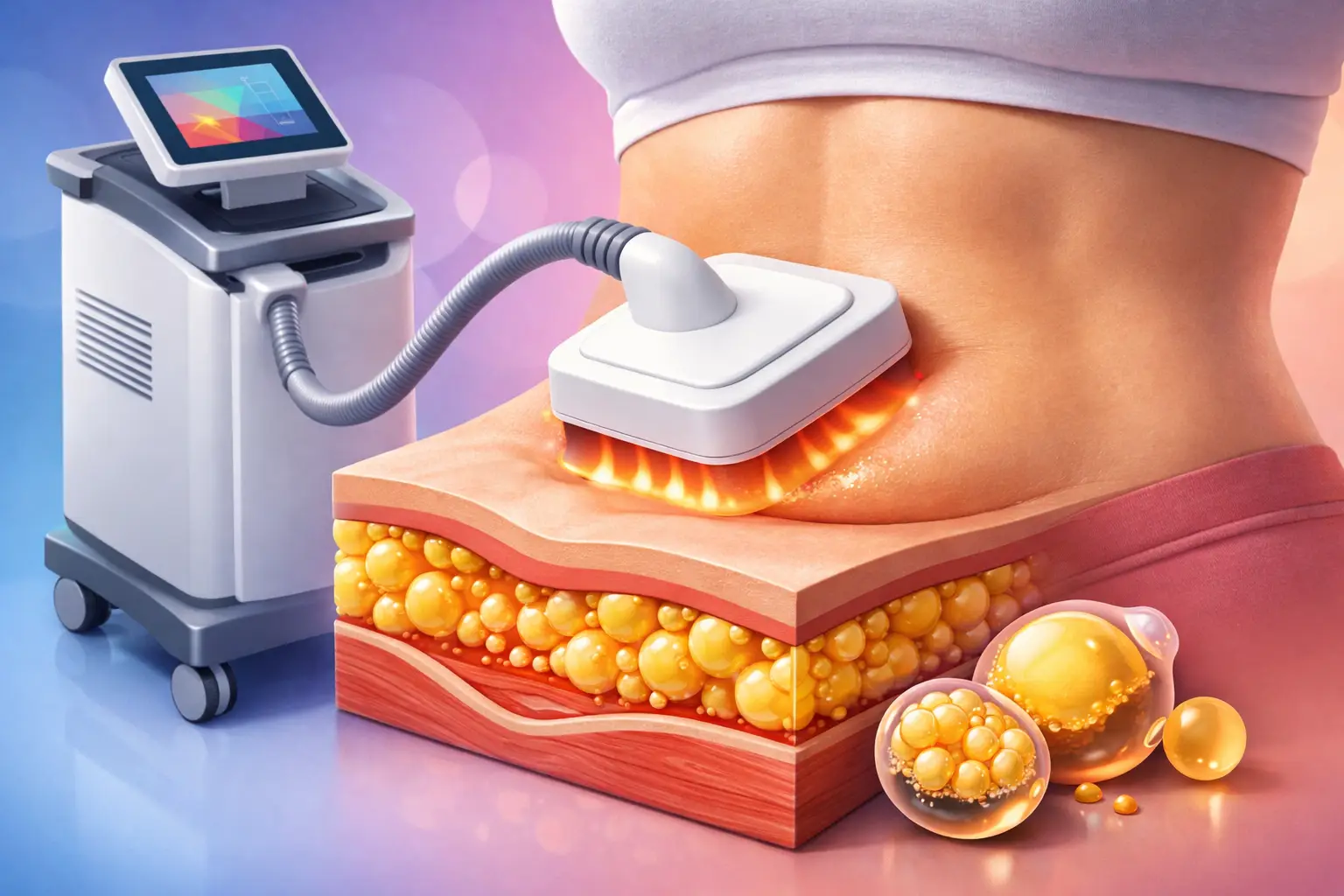
truSculpt iD uses monopolar radiofrequency energy to gently heat the fat layer beneath the skin. The controlled heat disrupts treated fat cells, which are then cleared gradually through the body’s natural processes over the following weeks.
The handpiece is placed against the skin over the chosen area, such as the upper abdomen, lower stomach or flanks. It delivers energy while maintaining a therapeutic temperature intended to affect fat cells without damaging the skin’s surface. A stomach appointment is typically relatively quick, although the right treatment time and the number of areas depend on your body shape and treatment plan.
Because the treatment is non-invasive, there are no incisions, anaesthetic injections or compression garments to manage afterwards. Most clients return to work, exercise and normal routines straight away. Some redness, tenderness or temporary sensitivity in the treated area can occur, but this is usually mild and short lived.
The key question: is the fat subcutaneous?
Not all stomach fullness is the same, and this is where an honest consultation is more useful than a one-size-fits-all package. truSculpt iD treats subcutaneous fat, which is the soft layer that sits just beneath the skin and can generally be pinched.
It does not treat visceral fat, the firmer fat stored deeper inside the abdomen around internal organs. Visceral fat can make the stomach project outward, but it is not accessible to an external body-contouring device. If a tummy feels hard, changes quickly, is associated with digestive symptoms or causes concern for your health, speak with your GP rather than assuming it is a cosmetic concern.
Skin laxity also affects what you see in the mirror. Someone may have a modest fat pocket and good skin elasticity, while another person may have loose skin following weight loss, pregnancy or natural ageing. Reducing fat alone can improve contour, but it cannot always tighten loose skin to the degree a client hopes. In some cases, combining a fat-reduction plan with a separate skin-tightening or muscle-toning treatment may be more appropriate.
Who tends to suit truSculpt iD stomach fat treatment?
The strongest candidates are usually adults with realistic expectations, a stable lifestyle and a distinct area of unwanted abdominal fat. You do not need to have a particular clothing size to seek treatment. The relevant question is whether there is a local concern that can be assessed safely and treated effectively.
It can suit women bothered by lower-stomach fullness after pregnancy once they have recovered, as well as men wanting to reduce a resistant midsection or love-handle area. However, post-pregnancy abdominal changes can also involve separated abdominal muscles or loose skin, so a personal assessment is essential.
Treatment may need to be postponed or may not be suitable for people who are pregnant, have certain implanted devices, active skin infections in the treatment area, recent surgery, or health conditions that make radiofrequency treatment unsuitable. Your practitioner should review your medical history, medications and any previous procedures before recommending a plan.
What does a session feel like?
Most people describe the sensation as a deep, gradual warmth. The warmth builds as the area reaches its therapeutic temperature, and the practitioner checks in throughout to make sure you remain comfortable. It should feel warm rather than sharply painful.
Afterwards, the abdomen may look slightly pink and feel as though it has had a warm massage or a gentle workout. Some clients experience temporary tenderness, swelling, firmness, itching or small areas of numbness. These effects are generally manageable and settle on their own, but you should be given clear aftercare advice and know who to contact if something does not feel right.
There is no required downtime, although it is sensible to listen to your body. You can resume normal activity, drink water, eat as usual and continue your regular exercise routine. There is no need for extreme cleanses or punishing workouts. Consistent everyday habits are far more helpful for supporting your long-term result.
When will you see a difference?
Fat-cell clearance takes time. Some clients notice a subtle change in how clothing fits within several weeks, while results commonly continue to develop over approximately 8 to 12 weeks. Photography and measurements taken under consistent conditions can be more reliable than checking the mirror every day, especially when normal bloating and fluid shifts can change the appearance of the stomach.
The final change should look gradual and natural. You may see a smoother outline, a reduction in a small bulge or more definition through the waist, rather than a surgical-level transformation. Results vary according to the amount and distribution of fat, skin quality, hormones, lifestyle and how the body responds to treatment.
A consultation should also cover whether one session is appropriate or whether further treatment could be worthwhile. More treatment is not automatically better. The aim is to create a considered plan that matches your starting point, budget and expectations.
truSculpt iD versus weight loss and surgery
Weight loss changes the body as a whole. It may reduce abdominal fat, but it cannot choose where fat comes off first. truSculpt iD is different because it is used to refine a specific area after you have already established healthy routines or when your weight is relatively stable.
Liposuction can remove a greater volume of fat and may be the better option for someone seeking a more significant surgical change. It also involves anaesthesia, recovery time, surgical risks and a different financial commitment. Non-surgical treatment is appealing because it is convenient and does not require time away from daily life, but the trade-off is a subtler result that takes longer to appear.
Neither option prevents future weight gain. Remaining fat cells can enlarge when body weight increases, so maintaining a stable pattern of eating, movement, sleep and stress management gives you the best chance of enjoying your contour for longer.
Questions worth asking at your consultation
A good body-contouring consultation should feel calm, private and straightforward. You deserve clear answers, not pressure to commit on the day. Ask whether the stomach concern is likely to be subcutaneous fat, loose skin, muscle separation or a combination. Ask what degree of improvement is realistic for your body, how results will be assessed and what the full cost includes.
It is also reasonable to ask about the practitioner’s experience with truSculpt iD, expected temporary effects, contraindications and what happens if your result is more subtle than anticipated. Before-and-after images can be useful when they show similar body types, lighting and positioning, rather than presenting an unrealistic promise.
At Beautilase, the focus is on listening first. A tailored assessment can establish whether truSculpt iD is the right route for your stomach concerns or whether another approach would better serve your goal.
The most reassuring next step is not to chase a perfect stomach. It is to have an informed conversation with a practitioner who can assess what is actually causing the concern, explain the options plainly and help you choose treatment only when it makes sense for you.