
A flush across the cheeks after a hot shower, redness that lingers long after a breakout, or a complexion that reacts to seemingly everything can be frustrating. Facial redness is not one single condition, and treating it as though it is can leave skin feeling more irritated, not less. The most effective approach starts with understanding what is causing your skin to look red in the first place.
For some people, redness is occasional and linked to heat, exercise or a new product. For others, it is persistent, visible through make-up, and accompanied by stinging, dryness, small bumps or broken capillaries. A careful consultation helps separate a temporary reaction from a concern that needs a longer-term skincare and treatment plan.
Why facial redness happens
Redness appears when blood vessels near the surface of the skin dilate, or when inflammation disrupts the skin barrier. That sounds simple, but the reasons behind it can be very different. Skin tone also affects how clearly redness shows: deeper skin tones may look more purple, brown or uneven rather than bright pink, and may feel warm or sore before a visible change is obvious.
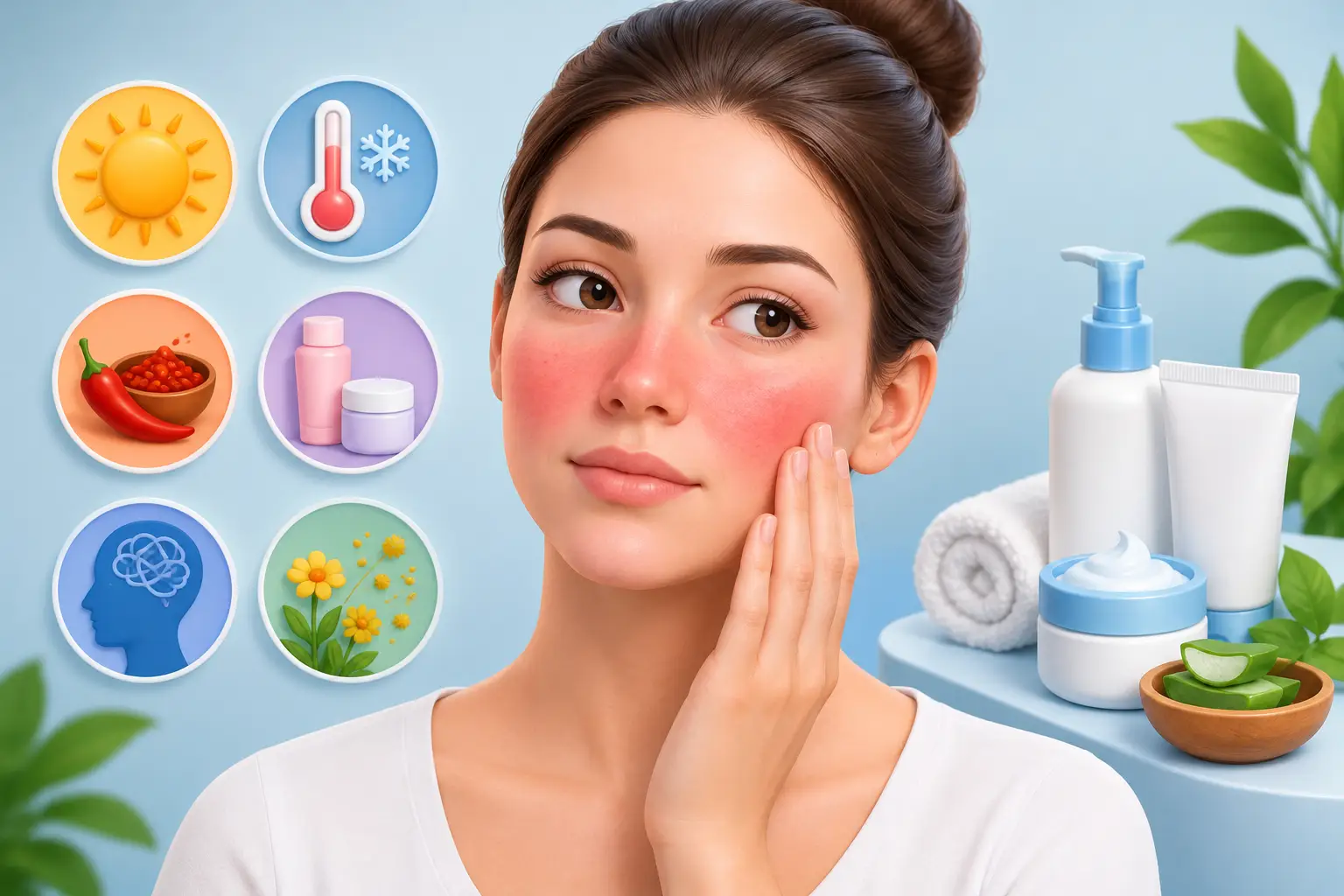
Common causes include a weakened skin barrier, over-exfoliation, sensitivity to fragrance or active ingredients, sun exposure, acne inflammation, eczema, contact dermatitis and rosacea. Hormonal changes, stress, alcohol, spicy foods and sudden temperature shifts can also trigger flushing in people who are prone to it.
Rosacea is a common cause of ongoing facial redness, especially across the central face, nose, cheeks, chin and forehead. It can involve flushing, visible tiny vessels, sensitivity, dry patches and acne-like bumps. Rosacea can vary considerably from person to person, so copying another person’s routine is rarely a reliable answer.
Redness after a spot or acne flare is slightly different. Post-inflammatory erythema describes the red or pink marks that can remain once a blemish has healed. They are not necessarily scars, but they can persist for months, particularly when the skin is repeatedly picked, over-treated or exposed to sunlight without protection.
The first step: calm the skin, do not chase a quick fix
When skin is red and reactive, the temptation is to try several new products at once. In practice, this often creates another layer of irritation. A simpler routine gives the skin a chance to settle and makes it easier to identify what is helping.
Use a gentle, non-stripping cleanser and lukewarm water rather than hot water. Follow with a fragrance-free moisturiser suited to your skin type, ideally one that supports the barrier with ingredients such as ceramides, glycerine or squalane. Daily broad-spectrum SPF is essential, even on cloudy days, because UV exposure can worsen inflammation, flushing and lingering redness.
Be cautious with scrubs, cleansing brushes, strong acids, retinoids and high-strength vitamin C if your skin is actively irritated. These ingredients can be useful in the right routine, but timing, concentration and frequency matter. Someone managing acne and redness may still benefit from active skincare, for example, but a gradual plan is usually safer than introducing everything at once.
It also helps to notice patterns rather than assuming there is one universal trigger. Keep a short note of flare-ups alongside food, alcohol, exercise, weather, stress, skincare and make-up changes. You may find that red wine is a trigger but coffee is not, or that your skin tolerates a retinoid twice weekly but not every night. This is about learning your skin, not creating an unnecessarily restrictive lifestyle.
When facial redness may need professional assessment
Persistent redness deserves professional attention when it is affecting your confidence, causing discomfort or changing despite a gentle routine. It is particularly worth arranging an assessment if you have burning, itching, swelling, eye irritation, pustules, visible vessels or sudden-onset flushing that feels unusual for you.
Aesthetic treatment should be chosen carefully. Red, sensitised skin is not always ready for an intensive peel, aggressive exfoliation or heat-based procedure. Treating inflammation first may be the best route, even if it means postponing a corrective treatment. Honest advice matters here: the right treatment is not necessarily the strongest one.
If rosacea is suspected, a GP or dermatologist can diagnose it and discuss medical treatment where appropriate. Eye symptoms, including grittiness, persistent dryness, redness or sensitivity to light, should not be ignored. Clinic-based care can complement medical management, but it should not replace it when prescription treatment or further investigation is needed.
Professional treatments for redness and visible vessels
The right in-clinic option depends on whether redness is driven by sensitivity, pigmentation, acne, visible capillaries or rosacea-related flushing. A skin consultation should consider your skin tone, medical history, current skincare, lifestyle triggers and whether your skin is stable enough for treatment.
For redness associated with a compromised barrier, the priority may be medical-grade skincare and a carefully paced programme that reduces irritation. This can include selecting a suitable cleanser, moisturiser and SPF, then introducing targeted ingredients only when the skin is coping well. The goal is to improve resilience, not create a temporary glow followed by a flare-up.
Where visible capillaries and diffuse redness are the main concern, certain vascular laser or light-based treatments may help reduce their appearance. These treatments work by targeting blood vessels while protecting surrounding skin, but they are not a cure for every cause of redness. Results vary, and some clients need a course of sessions followed by maintenance, particularly when rosacea is involved.
Acne-related redness may need a different strategy. Managing active breakouts, avoiding squeezing and supporting collagen health can help prevent marks from becoming more persistent. Once acne is under control, treatment options can be considered for residual redness, texture or scarring. Trying to treat marks while new inflammation is continually appearing is often less efficient and more frustrating.
At Beautilase, personalised planning means looking at the full picture rather than selling a standard package for a red complexion. Sometimes a technology-led treatment is appropriate. Sometimes the most valuable first step is simplifying a routine, improving sun protection and allowing the skin barrier to recover.
Everyday habits that make a genuine difference
Skincare is only one part of managing redness. Protecting your face from strong wind, cold and direct sun can reduce flare-ups. A soft, clean towel is kinder than rubbing the skin dry, and washing make-up brushes regularly can reduce avoidable irritation.
If you wear make-up, choose products labelled for sensitive or non-comedogenic skin where possible, and remove them gently at the end of the day. Green-tinted colour correctors can neutralise visible redness temporarily, but they should sit on top of a comfortable skincare routine rather than cover skin that feels sore or inflamed.
Lifestyle triggers are individual. Alcohol, spicy meals and very hot drinks can cause noticeable flushing in some people, while stress and poor sleep can make already reactive skin more difficult to manage. You do not need perfection to see improvement. Small, realistic adjustments are more sustainable than removing every possible trigger at once.
Patience is part of the treatment plan
Redness rarely settles overnight, especially when it has been present for years or is connected to rosacea, acne or ongoing sensitivity. Skin needs time to respond to a calmer routine, and professional treatments should be spaced appropriately to protect its health.
The reassuring part is that facial redness is often manageable once its pattern is understood. Give your skin fewer reasons to react, seek qualified advice when symptoms persist, and choose a plan that respects both your goals and your skin’s limits.