A treatment that promises smoother, brighter-looking skin without a conventional needling device will naturally raise questions. The potential SQT bio microneedling benefits can be appealing for people managing congestion, uneven texture, post-blemish marks or a complexion that simply looks tired – but the right treatment depends on your skin, your concern and your tolerance for downtime.
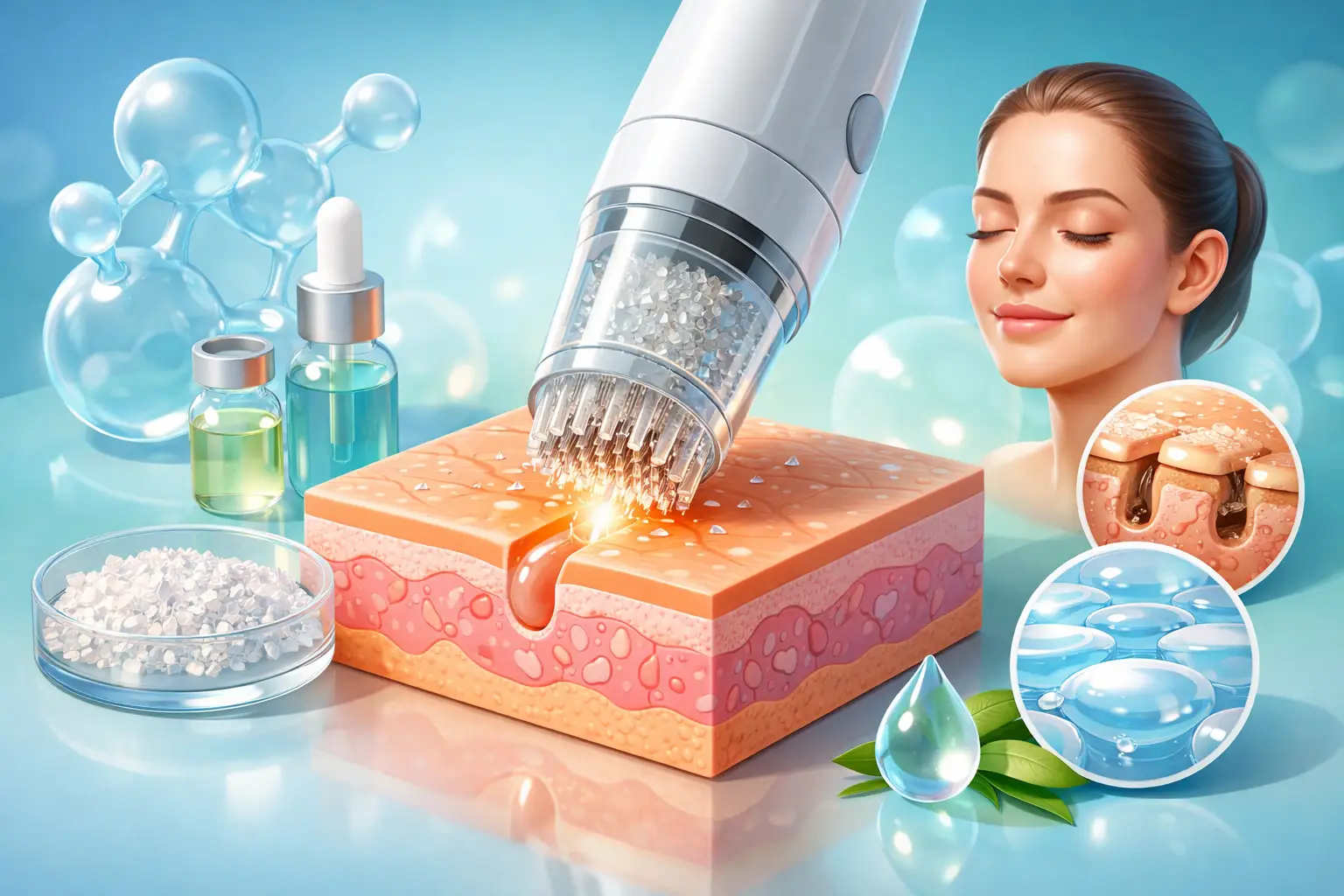
SQT Bio Microneedling is often described as a non-device alternative to traditional microneedling. Rather than using metal needles, it uses microscopic freshwater sponge spicules within a professional treatment protocol. These tiny, needle-like structures create controlled stimulation at the surface of the skin, encouraging its natural renewal response.
That distinction matters. SQT is not the same as RF microneedling, which uses insulated needles and radiofrequency energy to target deeper layers of the skin. Both can have a place in a considered treatment plan, but they suit different concerns and recovery expectations.
What are the SQT bio microneedling benefits?
The main appeal of SQT Bio Microneedling is its ability to refresh the skin’s surface while supporting a more even, refined appearance. During the treatment, the spicules are worked into the skin using a specific massage technique. This may increase temporary microcirculation and initiate a renewal process, which is why clients often notice a healthy flush immediately afterwards.
Over the following days, skin may feel dry, tight or slightly prickly before progressing through a period of light flaking or peeling. As the surface sheds, the complexion can appear smoother and clearer. Results are individual, and skin does not transform overnight, but it can be a useful option when the goal is gradual improvement rather than a dramatic, high-downtime procedure.
A smoother-looking skin texture
Roughness, dullness and a slightly uneven surface can make skin look older or less healthy, even when there is no major concern to treat. By encouraging surface renewal, SQT may help skin feel softer and look more polished. Makeup can sit more evenly afterwards, although it should not be applied until your practitioner confirms the skin has recovered enough.
This benefit tends to be most noticeable when the treatment is supported by the right homecare. A strong exfoliating routine, for example, is not automatically better. In the days after treatment, the skin barrier needs calm, simple support rather than extra acids, scrubs or active products.
Support for congestion and blemish-prone skin
For some clients, SQT Bio Microneedling can be considered as part of a plan for congested, oily or blemish-prone skin. Surface shedding may help improve the look of blocked pores and leave skin appearing clearer over time.
However, active, inflamed acne needs careful assessment. A treatment that creates stimulation may not be appropriate across painful cysts, open lesions or a highly irritated barrier. In these situations, controlling inflammation and choosing the right skincare first is often the more sensible route. Honest treatment planning means knowing when to pause rather than pushing ahead.
A brighter, more even-looking complexion
Uneven tone, superficial post-blemish marks and a lack of radiance are common reasons people ask about SQT. The treatment may help the complexion look brighter as older surface cells shed and fresh skin comes through.
Pigmentation requires more caution. Any treatment that triggers inflammation can potentially worsen pigmentation in susceptible skin if it is not selected or performed appropriately. This is particularly relevant for melasma, deeper skin tones and anyone with a history of post-inflammatory hyperpigmentation. Daily broad-spectrum SPF and a personalised pigmentation strategy are non-negotiable, not an optional extra.
Minimal equipment, but not necessarily no downtime
Many people appreciate that SQT does not involve a mechanical device or injectable treatment. It can feel like a more approachable first step for someone who is curious about professional skin treatments but not ready for RF microneedling.
That said, “natural” or “non-device” should never be mistaken for “no recovery”. Redness is common on the day of treatment, and a prickly sensation can persist for a short period. Peeling often occurs between days two and five, though the timing and intensity vary. Planning it before a major event, holiday or important photographs is usually not ideal.
What does SQT feel like and how long does recovery take?
Most clients describe the application as intense but manageable, similar to a firm facial massage with a scratchy or prickling sensation. That feeling can continue after the appointment because the spicules remain active in the upper skin layers for a period of time.
Your practitioner will give you specific aftercare based on your skin and the protocol used. In general, keep the skin clean, avoid heat, heavy exercise, swimming, saunas and direct sun exposure for the recommended period. Do not pick at peeling skin. Picking can increase irritation and the risk of marks, particularly if you are prone to pigmentation.
Recovery is often shorter than more intensive resurfacing treatments, but there is no universal timetable. Some people experience mild flaking that is easy to manage; others peel more noticeably. Sensitive or compromised skin may need a gentler approach, or a different treatment altogether.
Who may benefit – and who should wait?
SQT can be worth discussing if your priority is smoother texture, a clearer-looking complexion, superficial marks or a short period of skin renewal. It may also suit someone who wants a professional treatment without the deeper stimulation or longer recovery that can come with certain energy-based procedures.
A consultation is particularly important if you have melasma, rosacea, eczema, psoriasis, active acne, a damaged barrier, a recent sunburn or a history of keloid scarring. Pregnancy, breastfeeding, medications and recent aesthetic procedures may also affect timing and suitability. Your practitioner should ask about these details before treatment, not after.
It is also worth being realistic about deeper acne scars, pronounced laxity and established wrinkles. SQT may improve the skin’s overall quality, but it is unlikely to replace treatments designed to work deeper within the dermis. RF microneedling, medical-grade peels, pigmentation programmes or a combination plan may be more appropriate depending on the concern.
SQT Bio Microneedling versus RF microneedling
The names sound similar, but the treatment experience and purpose are different. SQT works through microscopic spicules at the skin’s surface and is often selected for renewal, glow and texture. RF microneedling uses controlled needle depth plus radiofrequency energy to stimulate collagen remodelling at deeper levels.
For enlarged pores, fine lines, acne scarring or mild skin laxity, RF microneedling may offer a more targeted route, usually through a course of sessions. It may also involve more visible redness and a different recovery profile. SQT can be a useful complement or an alternative where superficial refinement is the aim, but neither is automatically the “better” treatment.
At Beautilase, the focus is on matching the method to your skin rather than fitting every concern into one popular treatment. That means considering your skin type, lifestyle, previous treatments, homecare and how much downtime genuinely works for you.
How many sessions are needed?
Some people see a fresher-looking complexion after one treatment, particularly once peeling has settled. For concerns such as uneven texture or recurring congestion, a series may be recommended, spaced according to how your skin responds.
More is not always more. Repeated stimulation without sufficient recovery can leave skin irritated, dehydrated or reactive. The best schedule is one that allows your barrier to recover and is paired with skincare that supports the result between appointments.
If you are considering SQT Bio Microneedling, start with a proper skin consultation and be clear about what you want to change. A good plan will give you a realistic view of the benefits, the recovery and the alternatives – then leave you feeling informed and comfortable with the next step.