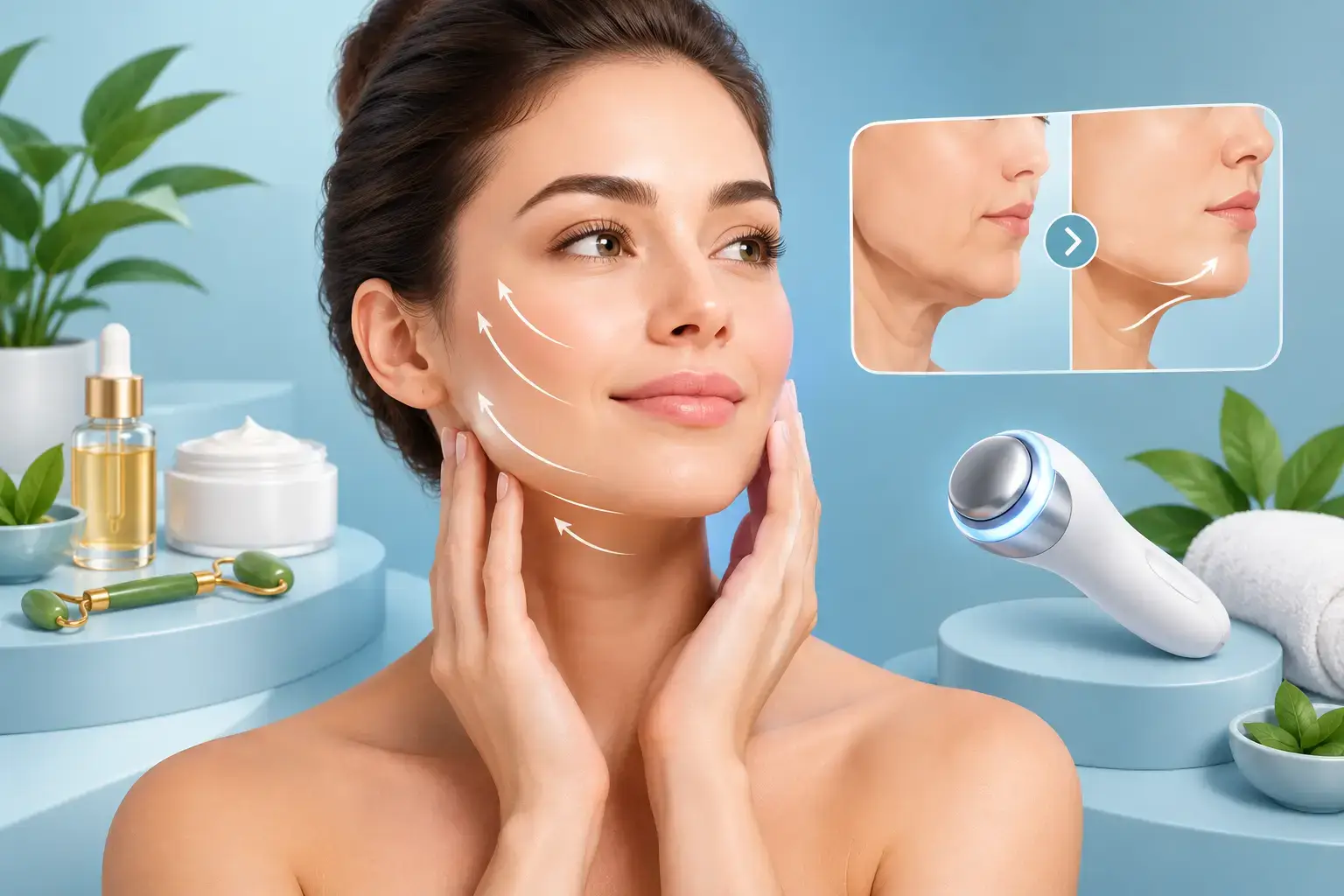
A face can begin to look less defined long before it feels dramatically different. You may notice makeup settling around the mouth, a softer jawline in photographs, crepey skin beneath the eyes, or cheeks that no longer appear as lifted as they once did. Facial skin tightening is not about chasing an altered version of yourself. Done thoughtfully, it is about supporting firmer-looking skin, improving texture and choosing treatments that suit the way your face is ageing.
At Beautilase, we take a personalised approach because loose skin is rarely the only concern. Fine lines, sun damage, pigmentation, dehydration, loss of facial volume and changes in muscle tone can all contribute to a tired or less defined appearance. The right plan starts by identifying what is actually causing the change.
Why facial skin starts to lose firmness
Collagen and elastin give skin much of its structure and spring. From our twenties onwards, collagen production gradually slows. Repeated facial movement, UV exposure, stress, smoking, weight changes and genetics can make that process more noticeable. Skin may become thinner, less elastic and slower to recover its shape.
There is also a difference between skin laxity and volume loss. If the cheeks have lost support, the lower face can look heavier even when the skin itself is in good condition. If facial muscles are less toned, the contours of the face may look softer. A treatment that is excellent for improving skin texture will not necessarily replace lost volume, and a lifting-focused treatment will not erase deep sun damage overnight. Honest advice matters here.
Facial skin tightening without surgery: your options
Non-surgical treatment can create meaningful improvement, particularly when concerns are mild to moderate and the treatment plan is matched to your skin. Results tend to be gradual because the goal is to stimulate your own collagen and support healthier tissue over time.
RF microneedling for texture, pores and laxity
RF microneedling combines controlled microneedling with radiofrequency energy delivered beneath the surface of the skin. The tiny channels created by the needles trigger a natural repair response, while the RF energy heats the deeper tissue to encourage collagen remodelling.
This can be a strong option for people concerned about early laxity alongside enlarged pores, acne scarring, fine lines or uneven texture. It is often used on the cheeks, lower face, jawline, neck and décolletage, depending on suitability. Because collagen rebuilding takes time, changes usually continue to develop in the weeks and months after treatment.
A course is commonly recommended rather than a single session. The number of treatments depends on your skin quality, the degree of laxity, your healing response and whether scarring or pigmentation is also being treated. There can be temporary redness, swelling and pinpoint marks after treatment, so planning around an event is sensible.
EMFACE for a more lifted-looking expression
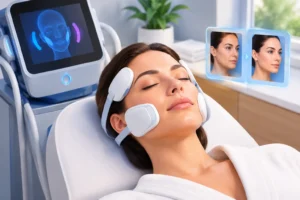
EMFACE is designed to address two elements of facial ageing at once: the skin and the muscles beneath it. It combines synchronised radiofrequency with HIFES muscle stimulation, helping to support collagen and elastin while engaging selected facial muscles.
It can be particularly appealing for someone who wants a fresher, more lifted-looking appearance without needles or downtime. The treatment is often considered for the forehead, cheeks and lower face, where changes in muscle tone can affect expression and facial definition. You will feel the muscles contracting during treatment, but it does not involve injections or surgery.
EMFACE is not a substitute for a surgical facelift, and it will not create the same degree of correction for substantial sagging. For early to moderate concerns, however, it can be a valuable part of a well-considered rejuvenation plan. It may be paired with skin-quality treatments where appropriate.
Plasma fibroblast for carefully selected areas
Plasma fibroblast treatment creates small, controlled points on the skin’s surface to support tightening and remodelling during healing. It is often discussed for more targeted concerns, such as fine lines around the eyes or mouth, hooded-looking upper eyelids, or localised crepey skin.
This is not a treatment to choose casually. It requires careful assessment of skin type, pigmentation risk, healing history and aftercare commitment. The visible dots and swelling during the initial recovery period are part of the process, so downtime is more significant than with some other non-surgical options. For the right person and concern, it can be very effective, but it is not suitable for everybody.
Medical-grade peels and skincare support
A peel will not lift deeply sagging skin, but healthy, well-functioning skin usually looks firmer, smoother and more luminous. Medical-grade peels can help improve surface texture, congestion, dullness and uneven tone. Professional skincare can support collagen, hydration and barrier health between in-clinic treatments.
This is where many people miss an opportunity. A tightening treatment may encourage collagen, but ongoing UV exposure, irritation from unsuitable products or an impaired skin barrier can limit the quality of the result. A simple routine built around daily broad-spectrum SPF, appropriate active ingredients and consistent hydration is often more useful than a crowded bathroom shelf.
What results can you realistically expect?
The most satisfying outcomes tend to look like you, but more rested. Skin may feel firmer, lines can look softened, pores and texture may improve, and facial contours can appear more defined. Results vary with age, skin condition, lifestyle, hormone changes and the treatment chosen.
Non-surgical facial tightening is usually a commitment to improvement rather than a one-off fix. Collagen stimulation is gradual, so patience is part of the treatment. Many clients benefit from a course of sessions followed by maintenance at intervals recommended for their needs. If laxity is advanced, surgery may provide a more dramatic result, and a reputable clinic should be clear about that rather than overpromising.
It is also worth being cautious of before-and-after images taken in different lighting, with different facial expressions or immediately after a treatment when temporary swelling can make the skin appear tighter. Your plan should be based on your own face, your priorities and a realistic view of what is achievable.
Choosing the right treatment plan
A good consultation looks beyond the mirror. Your practitioner should ask about your medical history, previous aesthetic treatments, skincare, sun exposure, tendency to pigment, healing response and the result you hope to see. They should also examine skin quality and facial structure rather than simply recommending the newest treatment.
For example, someone with acne scarring, enlarged pores and early laxity may benefit from RF microneedling. Someone primarily bothered by a softer facial expression may be better suited to EMFACE. Someone with localised lines and enough time for healing may discuss plasma fibroblast. In many cases, a combination of treatments delivered over time provides a more balanced result than concentrating on one area alone.
Safety should always come before speed. Certain treatments may need to be delayed if you are pregnant, have an active skin infection, are prone to problematic scarring, are using particular medications or have recently had another procedure. This is not a setback – it is part of protecting your skin.
How to protect your results
Treatment works best when it sits alongside sensible skin care and lifestyle habits. Wear SPF every day, including on cloudy Auckland days, and follow any post-treatment instructions closely. Avoid picking, over-exfoliating or introducing strong active products too soon after a procedure.
If you smoke, reducing or stopping can make a real difference to skin healing and collagen health. Stable weight, good sleep and a protein-rich diet also support your skin, although none of these replaces a professionally chosen treatment. Think of them as the conditions that allow your investment in your skin to work harder.
The most useful next step is not choosing a treatment from a menu. It is having a respectful conversation about what you see, what is bothering you and what feels realistic for your life. With the right assessment and a plan that respects your skin, facial tightening can be a gradual, natural-looking way to feel more comfortable in your reflection.