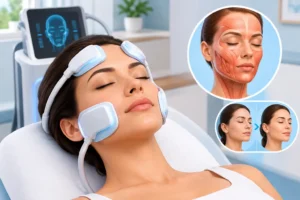

Coarse, dark hair on the chin, upper lip, chest, stomach or back can feel deeply personal, especially when it returns quickly after shaving or plucking. Effective hirsutism treatment is not about telling you to simply live with it or selling a one-size-fits-all package. It starts with understanding the pattern of hair growth, your skin, your health history and what result would genuinely make day-to-day life easier.
For many people, unwanted hair is more than a cosmetic frustration. It can affect confidence, make-up application difficult, cause irritation and ingrown hairs, or create a daily routine that feels exhausting. There are professional options that can make a meaningful long-term difference, but the right route depends on why the hair is growing and the hair removal method best suited to you.
What is hirsutism?
Hirsutism describes excessive terminal hair growth in areas where men more commonly grow coarse hair, such as the face, chest, abdomen and back. Terminal hair is thicker and more pigmented than the soft, fine vellus hair that covers much of the body.
It is most commonly discussed in women, often where hair growth follows an androgen-sensitive pattern. Androgens are hormones including testosterone, which everyone produces in different amounts. Some people have higher androgen levels, while others have hair follicles that are simply more sensitive to normal hormone levels.
Hirsutism is not the same as general increased body hair. Genetics, ethnicity, age and hormonal changes all influence how much hair a person naturally has. The concern becomes more significant when coarse hair growth is new, rapidly increasing, or appears alongside changes such as irregular periods, acne, scalp hair thinning, weight changes or a deepening voice.
When to speak with your GP first
Professional hair removal can be an excellent part of a hirsutism plan, but it does not replace medical assessment where symptoms suggest a hormonal cause. Polycystic ovary syndrome (PCOS) is a common reason for hirsutism, although thyroid conditions, certain medicines and less common endocrine conditions may also play a part.
If the hair growth has started suddenly, is progressing quickly, or comes with irregular menstrual cycles, fertility concerns, significant acne or hair thinning from the scalp, speak with your GP. They may recommend blood tests or further assessment. This matters because treating an underlying condition can help manage future hair growth as well as support your wider health.
Even where a medical cause is identified, you do not have to wait for every symptom to be perfectly resolved before addressing the hair itself. A combined approach often works best: medical guidance where needed, alongside a practical plan for reducing the hair that is already affecting your confidence.
Hirsutism treatment options for long-term reduction
There is no single best treatment for every person. Hair colour, hair thickness, skin tone, the area being treated, hormonal factors and your preference for maintenance all shape the plan. Honest advice should include what a treatment can do, what it cannot do, and how long results are likely to take.
Laser hair removal
Laser hair removal uses targeted light energy absorbed by pigment in the hair. The heat damages the follicle during its active growth phase, helping to reduce future regrowth. It tends to work best on dark, coarse hair because there is a clearer contrast between pigment in the hair and the surrounding skin.
A course of sessions is needed because each hair follicle cycles through active and resting phases independently. Not every hair is treatable on the same day. Facial areas can also be more hormonally influenced, so maintenance sessions may be appropriate even after a strong initial reduction.
The aim should be long-term hair reduction, not a promise of permanent removal of every single follicle. For someone who shaves their chin every morning or deals with persistent bikini-line irritation, a substantial reduction in density, thickness and speed of regrowth can still be life-changing.
The technology and settings need to be selected carefully for your skin tone and hair characteristics. This is particularly important for deeper skin tones, tanned skin, sensitive skin and areas prone to pigmentation. A proper consultation and patch test help assess suitability and minimise unnecessary risk.
Electrolysis
Electrolysis treats individual follicles with a very fine probe and a small electrical current. Unlike laser, it does not rely on pigment in the hair, which makes it suitable for blonde, ginger, grey and white hairs that laser may not recognise.
It is also useful for small, detailed areas such as stray chin hairs, the upper lip, jawline or around the brows. Treatment is methodical and can take time, particularly across larger areas. For this reason, many people choose laser to reduce a dense field of dark hair first, then use electrolysis to clear the remaining lighter or resistant hairs.
Electrolysis requires patience, but it offers a valuable route where laser is not suitable or where precision matters most.
Medical treatment and hormone management
Where hirsutism is related to PCOS or another hormonal issue, your GP or specialist may discuss prescription options to manage hormones or reduce their effect on hair follicles. These treatments can help slow new growth, but they generally do not remove the coarse hair already present.
That is why clinical hair removal and medical management are often complementary rather than competing choices. Medicine may help address the driver of new growth, while laser or electrolysis addresses visible hair and the daily burden of removing it.
What about shaving, waxing and plucking?
Shaving does not make hair grow back thicker, darker or faster. The blunt edge of a freshly shaved hair can feel stubbly as it grows through, which is why it may seem coarser. Shaving remains a practical option between treatments, and is often preferred before laser sessions.
Waxing, threading and plucking remove hair from the root, but they can make laser planning more difficult because the follicle needs to contain hair for the laser to target. They may also aggravate sensitivity, folliculitis or post-inflammatory pigmentation in some people. If you are preparing for laser, your clinician will advise when to stop root-removal methods.
Depilatory creams can work for some areas, though they may cause irritation or chemical burns if used incorrectly. Always patch test first, particularly on the face.
Making your treatment plan safer and more effective
A considered plan starts with clear questions. Which areas bother you most? Is the hair dark and coarse, or fine and light? Have you had recent hormonal changes? Are you prone to pigmentation, ingrown hairs or cold sores around the mouth? These details change the recommendation.
Before laser treatment, avoid tanning and follow your clinic’s guidance on active skincare, including retinoids and exfoliating acids where relevant. Arrive with clean, shaved skin if instructed. After treatment, protect the area from heat, friction and sun exposure while any redness settles. Daily broad-spectrum SPF is particularly important on treated facial areas, where post-inflammatory pigmentation can be a concern.
Progress photographs and consistent appointments are helpful because improvement is gradual. You may notice slower regrowth first, followed by patches of reduced density and finer hair. A plan can then be adjusted based on how your skin responds, rather than sticking rigidly to a generic schedule.
A discreet, realistic approach to unwanted hair
Hirsutism can be emotionally draining, and you deserve to discuss it without embarrassment or pressure. At Beautilase, consultations are centred on listening first: assessing your hair and skin, discussing whether laser or electrolysis is the better fit, and recognising when GP input should sit alongside aesthetic treatment.
Results are most satisfying when expectations are realistic. Hormonal hair may need ongoing maintenance. Light hairs may require electrolysis rather than laser. Sensitive or pigment-prone skin may need a more cautious approach. None of that means treatment is not worthwhile – it means your plan should be built around your body, not a standard package.
The most helpful next step is a consultation where you can talk openly about the areas affecting you, the methods you have already tried and the level of reduction you hope to achieve. A thoughtful treatment plan can replace a relentless hair-removal routine with something far more manageable.