
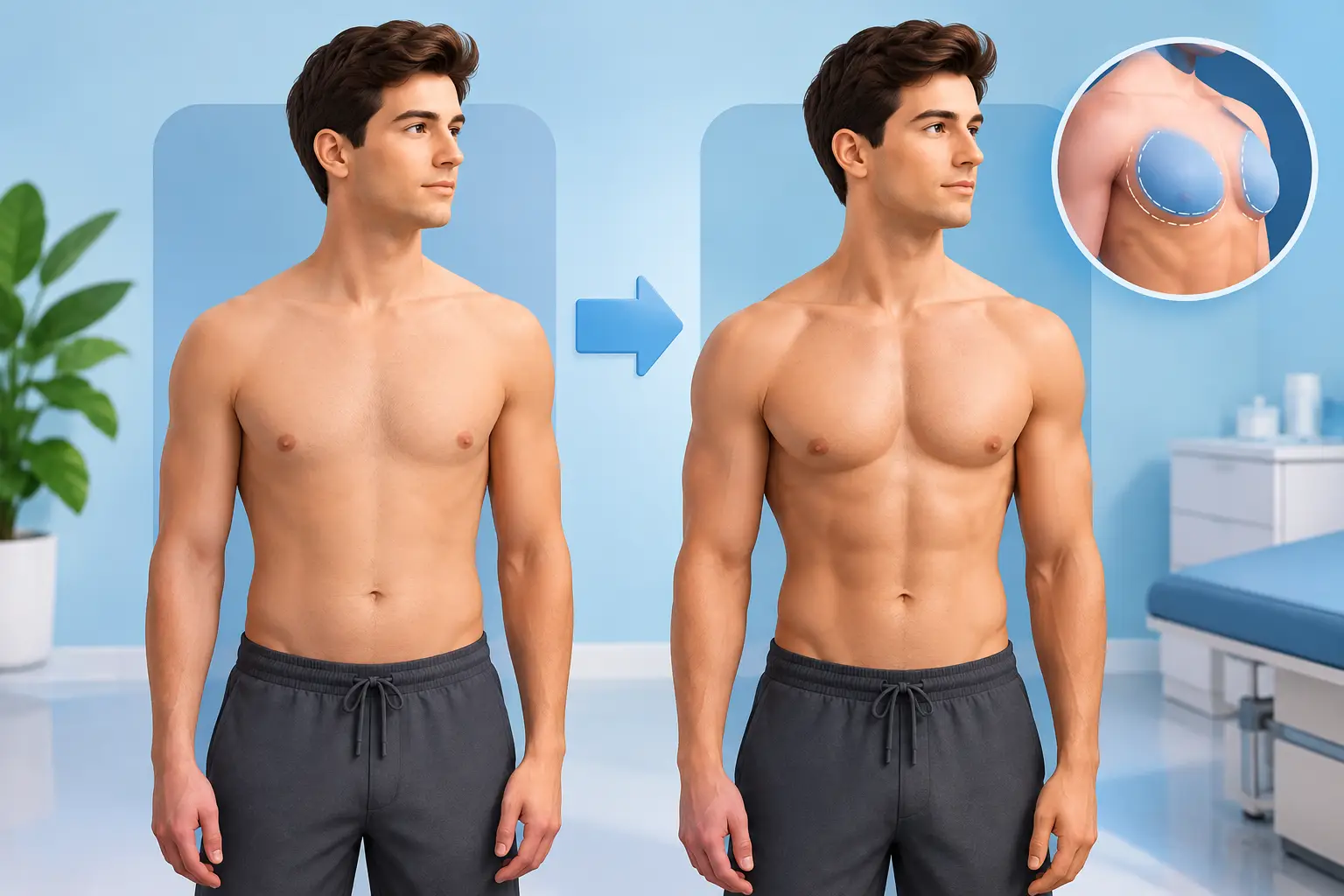
A T-shirt that clings around the chest, a reluctance to go shirtless at the beach, or a chest shape that has not changed despite consistent training can be frustrating. Male chest contouring results can be very rewarding when the concern is localised fat, but the right outcome starts with understanding what is causing the fullness in the first place.
Non-surgical body contouring is not about chasing an unrealistic physique. It is about reducing a stubborn fat pocket and creating a flatter, more balanced chest contour – with a treatment plan that respects your body, lifestyle and starting point.
What affects male chest contouring results?
The chest can look fuller for several different reasons. Some men carry a layer of soft fatty tissue across the chest, particularly around the lower or outer chest. Others have loose skin following weight loss, while some have glandular breast tissue, known as gynaecomastia. These concerns can look similar in clothing, but they do not respond to the same treatment.
Non-surgical fat reduction is designed to target subcutaneous fat, which is the pinchable fat beneath the skin. It can improve the contour of a chest where fat is the main issue. It does not remove glandular tissue, and it cannot replace surgery where there is significant skin laxity or pronounced gynaecomastia. An honest assessment is essential here. If a concern feels firm, tender, rapidly changes, or has developed alongside medication or hormonal changes, medical assessment should come first.
Your existing body composition also matters. Body contouring tends to suit people who are near a stable, healthy weight but have a resistant area that does not respond as they would expect to exercise and sensible eating. It is not a weight-loss treatment. If overall weight is fluctuating, the chest can change too, which makes results harder to assess and maintain.
How non-surgical chest contouring works
At Beautilase, truSculpt iD may be considered for suitable clients seeking a non-surgical approach to stubborn chest fat. This treatment uses radiofrequency energy to heat the fat layer beneath the skin at a controlled temperature. The aim is to damage selected fat cells so the body can gradually process them over time.
The treatment is planned around the shape and thickness of the area, rather than applied as a one-size-fits-all package. A practitioner will assess whether there is enough pinchable fat to treat, how the chest sits on the frame, skin quality, and whether treatment is likely to make a meaningful visual difference.
During treatment, most clients feel a warming sensation over the skin. The applicators are placed on the planned areas, and the session is generally straightforward with no surgical incisions or extended downtime. Temporary redness, warmth, tenderness or mild swelling can occur afterwards. These effects usually settle, but your practitioner should explain what is normal for you and when to get in touch.
Male chest contouring results are gradual
One of the most common misunderstandings is expecting the chest to look different immediately after a fat-reduction appointment. Because the body needs time to clear treated fat cells, changes develop gradually.
Some clients begin noticing early changes after several weeks, while clearer contour improvements are often seen over the following two to three months. The pace varies with the treatment area, metabolism, baseline fat volume and whether more than one session is recommended. Before-and-after photographs taken in consistent lighting, posture and clothing are often more useful than checking the mirror every day.
A successful result may look subtle to other people, but feel significant to the person treated. Shirts may sit more smoothly across the chest, the lower chest may look less rounded, and the transition between chest and upper abdomen can appear more defined. The best results should still look like you – simply more in proportion with the rest of your body.
What treatment can and cannot change
Non-surgical contouring can reduce a localised fat layer. It cannot build pectoral muscle, tighten severely loose skin, correct a significant breast gland issue, or guarantee symmetry where the chest was naturally uneven beforehand. It is also worth knowing that the chest can look more defined after fat reduction, but this may make underlying muscle shape or natural asymmetry easier to see.
For some clients, combining treatment with a consistent resistance-training programme helps them feel more confident in the outcome. Training will not selectively burn chest fat, but building the pectoral muscles and improving posture can complement a flatter chest contour. Nutrition, sleep and maintaining a stable weight matter just as much for protecting your investment.
Who is a good candidate?
A good candidate is not defined by a number on the scales. It is someone with a clear, realistic concern, stable habits and enough localised fatty tissue for a non-surgical treatment to address. The skin should also have reasonable elasticity, as skin that is very loose may not retract as much as hoped once volume is reduced.
A consultation should feel discreet and straightforward, not embarrassing. Your practitioner should ask about your health history, medications, previous weight changes and what you have noticed about the area. They should also examine the chest respectfully and explain whether the fullness appears mainly fatty, glandular or mixed.
Sometimes the most helpful advice is to wait, focus first on weight stability, seek a GP opinion, or consider a different option. That is not a failed consultation. It is how you avoid spending time and money on a treatment that does not match the cause of your concern.
How to get the best from your treatment plan
Results are supported by the choices you make before and after treatment. Arrive well hydrated, follow any preparation advice from your clinic, and be open about medications or health changes. Afterwards, return to normal movement as advised, stay hydrated and keep your expectations tied to the planned timeline rather than a next-day transformation.
If your treatment plan includes more than one session, spacing and review appointments matter. A review allows your practitioner to assess the response once swelling has settled and enough time has passed for the body to process treated cells. It may confirm that you are progressing well, or it may identify an area where further treatment could improve balance.
Be wary of dramatic claims, heavily edited photographs and promises of a perfectly sculpted chest from one appointment. Ethical body contouring is measured. Your practitioner should be able to discuss potential benefits, limitations, costs, expected treatment numbers and alternatives clearly before you commit.
A more confident relationship with your body
Chest fullness is a common concern, and it is one many men put off discussing for longer than they need to. The right approach is not about judgement or pressure to look a certain way. It is about finding out what is happening beneath the surface and choosing a treatment only if it is genuinely appropriate.
A personal consultation gives you space to talk through your goals, understand the likely result for your chest, and make a decision with confidence. Whether non-surgical contouring is the right next step or not, clear and candid guidance is always a worthwhile place to begin.