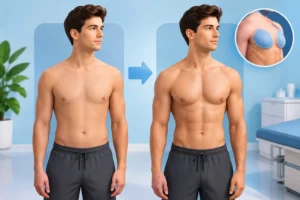

Some areas seem to hold on long after your routine has changed. You may be exercising regularly, eating well, and feeling healthier, yet still notice a pocket of fullness under the chin, around the abdomen, on the flanks, thighs, back or chest. The best treatments for stubborn fat are not about replacing healthy habits or chasing an unrealistic shape. They are about treating localised fat deposits that do not respond in the way you would like to diet and exercise alone.
The right option depends on the area, the amount of fat present, your skin quality, your health, and what result you are hoping for. A thoughtful consultation matters because body contouring is most successful when it is planned around your body rather than sold as a one-size-fits-all package.
Why stubborn fat can be so difficult to shift
Fat distribution is influenced by far more than willpower. Genetics, hormones, age, sleep, stress, pregnancy, menopause, certain medications and natural changes in muscle mass can all affect where the body stores fat. For some people, the lower abdomen remains soft despite strong fitness habits. For others, it may be the bra-line, inner thighs, upper arms or under-chin area.
There is also an important distinction between subcutaneous fat and visceral fat. Subcutaneous fat sits beneath the skin and is the type that may be addressed with non-surgical body contouring. Visceral fat sits deeper around the organs. It is a health concern best managed through medical advice, nutrition, activity and broader lifestyle support, not an aesthetic device.
Non-surgical fat reduction is designed for people who are close to a stable, healthy weight but want to refine a particular area. It is not a treatment for obesity, a substitute for weight-loss care, or a promise of dramatic scale changes.
What are the best treatments for stubborn fat?
There is no single best treatment for everyone. For the right candidate, radiofrequency fat reduction can be an effective, non-invasive option, particularly when the goal is contour improvement with minimal disruption to daily life. Other approaches, including cryolipolysis, injectable treatments for small under-chin deposits, muscle stimulation and surgery, may have a place depending on the concern.
The most useful question is not, “What is the strongest treatment?” It is, “What treatment is appropriate for my body, my goals and my tolerance for downtime?”
Radiofrequency body contouring
Radiofrequency body contouring uses controlled energy to heat fat tissue beneath the skin. With treatments such as truSculpt iD, the applicators are placed over the selected area and deliver radiofrequency energy at a carefully monitored temperature. The aim is to disrupt targeted fat cells, which the body gradually processes over the following weeks.
This treatment can suit areas such as the abdomen, flanks, back, thighs and upper arms. Sessions are generally comfortable, although you will feel warmth and may experience periods of more intense heat. There is usually no downtime, so most clients return to work, exercise and normal plans straight afterwards.
Results develop gradually rather than overnight. This is a benefit for many people, as the change can look natural, but it also requires patience. A treatment plan may involve more than one session depending on the area and the amount of reduction desired. Once treated fat cells are cleared, they do not regenerate, but remaining fat cells can still enlarge with weight gain. Maintaining stable habits remains part of protecting your result.
Cryolipolysis, or fat freezing
Cryolipolysis cools fat cells using applicators that draw the tissue into place. It can be useful for pinchable areas of fat, and some clients prefer the idea of a cooling rather than heating treatment. However, it is not automatically the better choice simply because it is well known.
Treatment suitability depends on the shape of the area, skin laxity and the amount of tissue that can be comfortably positioned in an applicator. It can involve temporary numbness, bruising or tenderness. There is also a rare complication called paradoxical adipose hyperplasia, where the treated area becomes firmer and larger rather than reducing. A reputable clinic should discuss this frankly before treatment.
Injectable fat reduction for selected areas
Injectable fat-dissolving treatments may be considered for very specific, small pockets, most commonly beneath the chin. They are not a broad body-contouring answer and should only be performed by an appropriately qualified practitioner after a careful assessment.
Swelling can be significant for several days, especially in the under-chin area, and a series of sessions is often needed. If loose skin, rather than fat, is the primary concern, injectables may not give the improvement you expect. Skin tightening or a different approach may be more suitable.
Muscle-building treatments and lifestyle support
A stronger underlying muscle layer can improve how an area looks, particularly around the abdomen, buttocks or thighs. Muscle stimulation treatments can be a useful complement to fat reduction for suitable clients, but they do not remove large volumes of fat. Likewise, nutrition and training are essential for health and weight management, yet they cannot always spot-reduce a genetically determined fat pocket.
The most considered plans often combine sensible lifestyle guidance with a technology-led treatment targeted to the concern. Neither element needs to be punitive. The aim is to support a result you can comfortably maintain.
Surgical options
Liposuction remains an option for people seeking a more substantial and immediate physical reduction than non-surgical treatments can provide. It is surgery, however, with anaesthetic considerations, recovery time, swelling, compression garments and the risks associated with an invasive procedure.
For some people, surgery is the right route. For others, a non-surgical treatment is more aligned with their lifestyle and expectations. An honest consultation should make this distinction clear rather than presenting non-surgical contouring as equivalent to surgery.
Choosing a treatment when loose skin is also present
Stubborn fat and loose skin frequently occur together, particularly after weight loss, pregnancy or natural ageing. Reducing fat alone can sometimes make laxity more noticeable. This does not mean treatment is unsuitable, but it does mean the plan should consider skin quality from the start.
Radiofrequency may offer some skin-firming benefit alongside fat reduction, although it cannot replicate the result of surgical skin removal. Where skin texture, crepiness or laxity is a significant concern, treatment may need to include a separate skin-tightening approach. Realistic planning prevents the disappointment of expecting one treatment to solve two different concerns completely.
What to expect from a good consultation
The best treatments for stubborn fat begin with an assessment, not an assumption. Your practitioner should ask about your goals, relevant medical history, previous treatments, recent weight changes and any plans that may affect timing, such as pregnancy or major fitness goals.
They should also assess the area in person. Is the fullness actually subcutaneous fat, or could it be bloating, muscle separation, skin laxity, fluid retention or another issue? Is there enough treatable tissue? Is the concern visible only in certain poses or lighting? These details influence whether treatment is likely to be worthwhile.
At Beautilase, body contouring conversations are approached without judgement. You should feel able to discuss the areas that bother you, including concerns that feel personal or frustrating, without being pressured into treatment. A good practitioner will explain what is achievable, how many sessions may be advised, what results can reasonably look like and when to review progress.
Preparing for treatment and protecting your result
If you decide to proceed, arrive well hydrated and follow any clinic-specific preparation advice. Your practitioner may advise avoiding treatment if you are pregnant, have certain implanted electronic devices, active skin infections, a hernia in the treatment area or medical conditions that make heat-based treatment unsuitable.
After a non-surgical fat reduction session, most people can continue their usual routine. Temporary redness, tenderness or sensitivity are possible. Staying active, eating consistently and keeping weight relatively stable will not force a result, but it gives your body the best conditions to maintain the contour change over time.
Progress photographs and measurements are often more useful than relying on day-to-day mirror checks. The body changes gradually, and it is easy to overlook subtle improvement when you see yourself every morning.
A body contouring treatment should leave you feeling more comfortable in your own skin, not under pressure to become someone else. If a localised area is affecting your confidence, a calm, personalised consultation can help you decide whether treatment is appropriate and what a realistic, worthwhile result looks like for you.